Insulation, Vapour Barriers, and Thermal Bridges
A reference covering building envelope materials commonly used in British Columbia, Alberta, and neighbouring western provinces. Focused on climate zones, code requirements, and practical construction details.
What affects insulation choices in the West
The western coast of Canada spans several climate zones, from the mild and wet conditions of Metro Vancouver to colder inland areas of the BC Interior and Alberta. Each zone presents different moisture loads, temperature swings, and code requirements that influence which insulation products and installation methods are appropriate for a given building assembly.
Moisture & Rain Screen Details
Coastal BC receives among the highest annual rainfall in Canada. Proper vapour management and exterior drainage planes are central to maintaining a dry building envelope over the life of the structure.
Climate Zones 4 through 7
Western Canada spans climate zones 4 (Metro Vancouver) through 7 (northern Alberta interior). The National Building Code and provincial amendments set minimum effective RSI values that increase with each zone.
Thermal Bridging at Framing
Wood-framed walls are subject to thermal bridging at studs, plates, and corners. Continuous exterior insulation is the most common approach for reducing overall heat loss through the framing layer.
Common insulation types at a glance
The table below summarises approximate RSI performance and typical application contexts for insulation products regularly specified in western Canadian residential projects.
| Product | Approx. RSI per 25 mm | Vapour Permeance | Typical Location | Climate Zone Fit |
|---|---|---|---|---|
| Batt mineral wool | 0.60–0.70 | High (open) | Stud cavity fill | All zones |
| Batt fibreglass | 0.58–0.63 | High (open) | Stud cavity fill | All zones |
| Rigid EPS board | 0.70–0.88 | Medium | Exterior continuous layer | All zones |
| Rigid XPS board | 0.88–1.10 | Low | Below-grade, exterior | Zones 6–7 |
| Closed-cell spray polyurethane | 1.00–1.20 | Very low | Rim joists, irregular surfaces | Zones 5–7 |
| Open-cell spray polyurethane | 0.55–0.63 | High | Attic rafter bays | Zones 4–5 |
| Loose-fill cellulose | 0.62–0.68 | High | Attic floor, dense-pack walls | All zones |
RSI values are approximate and vary by product and installation. Consult manufacturer data sheets and provincial building officials for project-specific requirements.
Topics covered on this site

Insulation Materials in British Columbia: RSI Requirements and Product Fit
An overview of the insulation products commonly specified in BC residential construction, including how climate zone 4 and 5 requirements translate to actual wall, attic, and foundation assembly designs.
Read article
Vapour Barriers in Western Canada: Where They Go and Why It Matters
The placement of vapour retarders and barriers differs between coastal and inland climates. This article examines how building science principles and BC/Alberta code provisions guide vapour control decisions.
Read article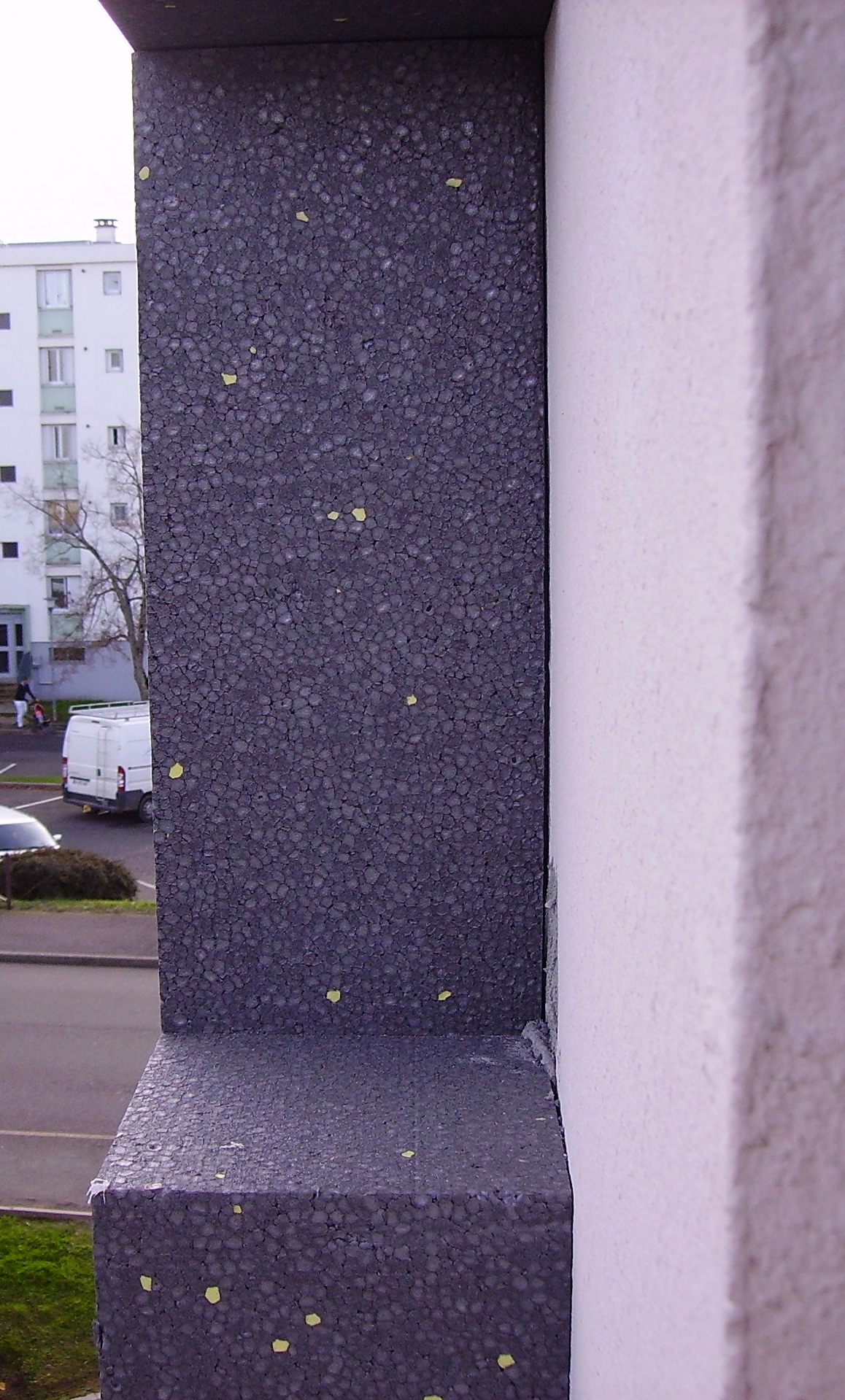
Eliminating Thermal Bridges: Practical Approaches for Western Canadian Homes
Thermal bridges at wood framing, windows, and structural elements reduce overall wall performance. This article describes where bridges form and what construction details are used to address them.
Read articleBuilding envelope decisions in western provinces
National Building Code and Provincial Amendments
British Columbia adopted the BC Energy Step Code as a tiered energy performance standard layered on top of the National Building Code. Builders targeting Step 3 or higher typically need to address both cavity insulation and continuous exterior insulation to meet effective RSI targets. Alberta follows its own code amendments with different compliance paths.
Air Barrier vs. Vapour Barrier
The air barrier and the vapour retarder serve distinct functions and do not always occupy the same plane in a wall assembly. In coastal BC, the air barrier is often the primary focus because bulk water and wind-driven moisture are greater risks than diffusion-driven vapour. In colder inland climates, vapour retarder placement becomes more critical to prevent interstitial condensation.
Attic Insulation and Ventilation
Vented attics are standard in most BC and Alberta residential construction. The insulation sits at the attic floor level, and the rafter bays above are ventilated to the exterior. Unvented roof assemblies with spray foam at the rafter level are used in specific situations where venting is not practical, but these require careful moisture analysis.
Below-Grade and Foundation Details
Foundation insulation placement — interior, exterior, or both — affects moisture drainage, thermal mass, and accessibility for future maintenance. Exterior foundation insulation is more effective at eliminating thermal bridges but requires attention to drainage and protection from mechanical damage above grade.
Reach out
Use the form below to send a question or note. No personal data is stored or transmitted to any server.